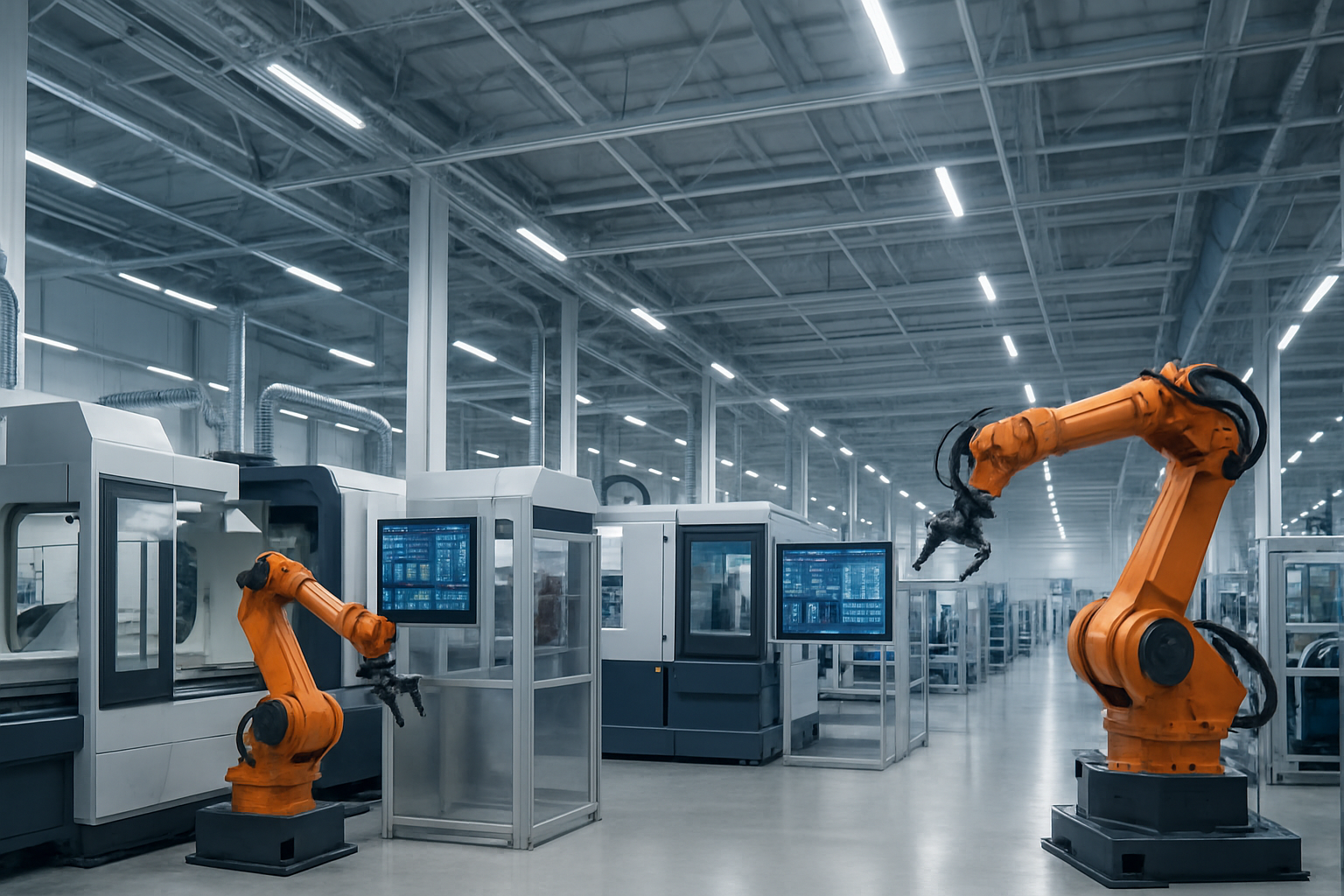
Digitalization as a Driver of Change in Industry
In 2026, digitalization will continue to be a transformative force in the industrial sector. The integration of technologies such as the Internet of Things (IoT), artificial intelligence (AI), and advanced data analytics will improve operational efficiency, optimize production, and reduce costs. Intelligent automation will enable more agile processes and better resource management.
Sustainability and Circular Economy: Growing Priorities
Concern about environmental impact is leading many industrial companies to adopt more sustainable models. In 2026, a significant increase is expected in the implementation of circular economy practices: material reuse, waste reduction, and product design with lower environmental impact. Additionally, the transition to renewable energy and carbon emission reduction will be key goals to meet regulations and social demands.
3D Printing and Additive Manufacturing
Additive manufacturing, or 3D printing, continues to gain ground in industry, especially for producing customized parts and prototypes. This technology reduces manufacturing times and minimizes material waste, while paving the way for new designs and innovative solutions. By 2026, its adoption will be more widespread, impacting sectors such as automotive, aerospace, and healthcare.
Challenges and Changes in the Supply Chain
Supply chain management is evolving due to factors like globalization, digitalization, and recent global disruptions. In 2026, industrial companies will need to focus on more flexible and resilient supply chains, supported by digital technologies to improve traceability and responsiveness to unforeseen events. Supplier localization and diversification will be key strategies to minimize risks.
Training and Talent in the Industry of the Future
Technological transformation also demands constant updating of workforce skills. In 2026, training in digital skills and specialized technical knowledge will be essential for industrial workers. Companies will need to invest in training programs that facilitate adaptation to new processes and tools, fostering an innovative and competitive work environment.
Conclusion
The industry in 2026 is marked by a profound shift toward technological innovation and sustainability. Digitalization, circular economy, 3D printing, and flexible supply chains will be pillars for competing in a demanding global market. Adapting to these trends is essential to seize opportunities and face future challenges.
For more information on digital transformation in industry, you can consult the Spanish Government's report on Industrial Strategy 2026. Additionally, the European Environment Agency offers comprehensive resources on circular economy and sustainability.